


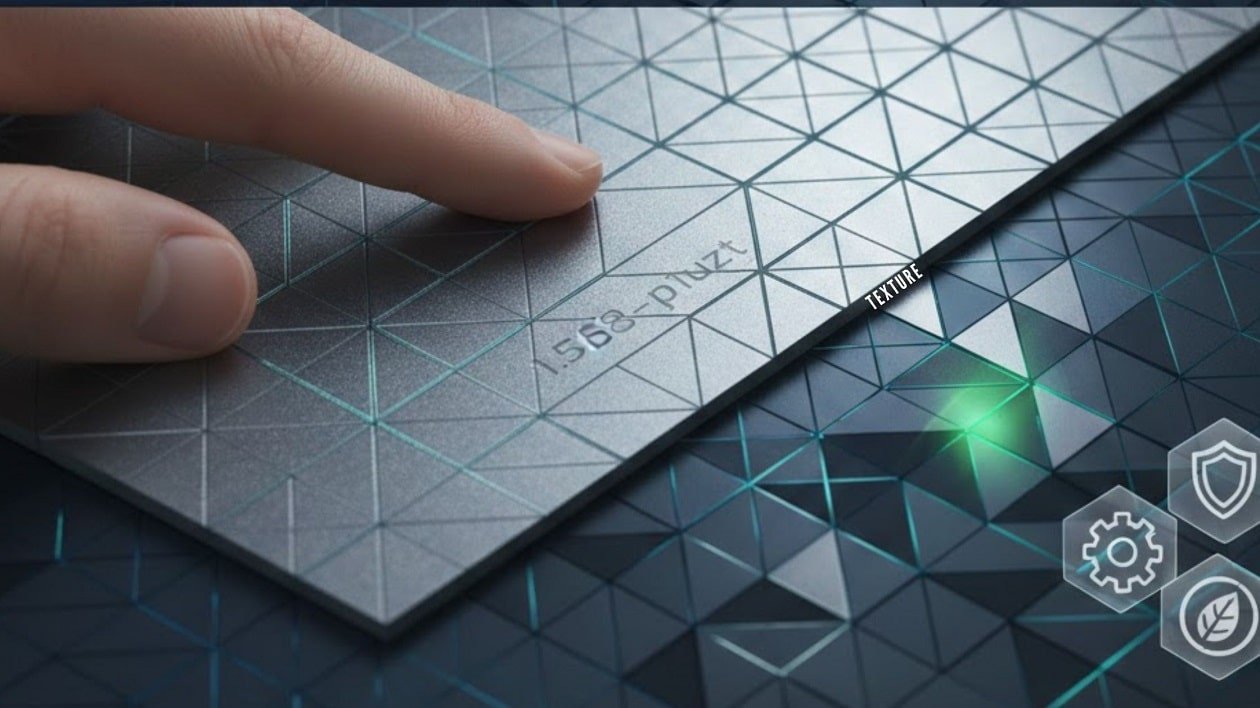
The 1.5f8-p1uzt texture has become an interesting topic among digital artists, 3D designers, game developers, and creative professionals looking to improve the visual quality of their projects. Textures play a vital role in modern digital design by adding realistic colors, patterns, depth, and surface details to 3D models and environments.
Whether you’re building a video game, creating architectural visualizations, or producing product renders, choosing the right texture can significantly enhance the final result.
What Is 1.5f8-p1uzt Texture?
The 1.5f8-p1uzt texture is a modern digital texture format or identifier commonly associated with high-detail visual assets used in gaming, 3D modeling, virtual environments, and creative design workflows. Textures are image-based surfaces applied to 3D objects to give them realistic appearance, depth, color, and material properties. Whether a designer is creating a stone wall, wooden floor, metallic object, or fabric surface, textures help transform a simple model into a visually convincing asset.
In recent years, developers and artists have focused heavily on texture quality because users expect more realistic visuals across games, websites, simulations, and augmented reality experiences. The 1.5f8-p1uzt texture represents a category of detailed surface assets designed to deliver sharp visuals while maintaining efficient performance. This balance between realism and optimization makes it useful for both professional creators and hobbyists.
Why Texture Quality Matters
Textures are one of the most important elements of digital visuals because they define how surfaces look and feel. A high-quality texture can make a simple object appear premium, realistic, and immersive. Poor textures, on the other hand, often make environments look flat, blurry, or outdated. This is why studios invest significant resources into creating detailed texture libraries.
The 1.5f8-p1uzt texture is valuable because it emphasizes clarity, consistent detail, and compatibility with modern rendering techniques. Designers can use it to improve environmental scenes, product visualizations, architectural renders, and game assets. Better textures often lead to better user engagement because viewers naturally respond to visuals that appear realistic and professionally crafted.
Key Features of 1.5f8-p1uzt Texture
Standout Characteristics
- High surface detail for realistic visuals.
- Sharp edge definition that reduces blurriness.
- Balanced file size for better performance.
- Compatibility with modern 3D software.
- Support for realistic lighting and shading.
- Scalable quality for different devices and resolutions.
How 1.5f8-p1uzt Texture Improves 3D Models
3D models without textures often look like plain gray shapes. By applying a detailed texture, artists can add color variations, scratches, roughness, reflections, and material characteristics. The 1.5f8-p1uzt texture helps create surfaces that react naturally to light, making objects appear more believable.
For example, a wooden table can display grain patterns, small imperfections, and subtle color changes. A metal object can show reflections, wear marks, and roughness. These details are essential for creating professional-quality renders and immersive interactive experiences.
Best Uses for 1.5f8-p1uzt Texture
Game Development
Game environments rely heavily on textures to create immersive worlds. The 1.5f8-p1uzt texture can be used for walls, floors, terrain, objects, and environmental assets. High-quality textures help players feel more connected to the game world.
Architectural Visualization
Architects and interior designers often use detailed textures to present realistic building concepts. Materials such as concrete, wood, marble, and metal appear much more convincing when rendered with high-resolution texture maps.
Product Rendering
E-commerce brands increasingly use 3D product renders instead of traditional photography. Textures help showcase material quality, fabric patterns, and surface finishes accurately.
Virtual Reality and AR
Immersive technologies require realistic assets to maintain user engagement. The 1.5f8-p1uzt texture can contribute to more believable virtual environments.
Texture Resolution and Performance
One of the biggest challenges in digital graphics is balancing visual quality with performance. Extremely large textures can consume significant memory and reduce frame rates. Optimized textures provide enough detail without unnecessarily increasing resource usage.
The 1.5f8-p1uzt texture is most effective when used with proper resolution management. Artists should choose texture sizes based on the viewing distance and platform requirements. For example, mobile applications may use smaller texture maps, while high-end PC projects can support larger resolutions.
How to Optimize 1.5f8-p1uzt Texture
Optimization Tips
Important
- Use appropriate texture compression.
- Generate mipmaps for smoother scaling.
- Avoid unnecessarily large resolutions.
- Reuse texture atlases when possible.
- Test performance on target devices.
- Keep color and normal maps organized.
Common Texture Maps Used with 1.5f8-p1uzt Texture
| Texture Map | Purpose |
|---|---|
| Albedo/Diffuse | Defines base color. |
| Normal Map | Adds surface detail without extra geometry. |
| Roughness Map | Controls how rough or smooth a surface appears. |
| Metallic Map | Defines metallic properties. |
| Ambient Occlusion | Enhances shadow depth. |
| Height/Displacement | Creates additional surface depth. |
Benefits for SEO and Digital Content Creators
Although textures are primarily visual assets, they also play a role in digital marketing. High-quality visuals improve user engagement, increase time spent on a page, and make content more shareable. Websites featuring attractive graphics often perform better because visitors find them more professional and trustworthy.
Content creators using the 1.5f8-p1uzt texture can enhance blog illustrations, product presentations, game showcases, and portfolio projects. Better visuals often lead to stronger branding and improved audience retention.
Future of Advanced Texture Systems
Texture technology continues to evolve rapidly. Modern rendering engines now support physically based rendering (PBR), real-time ray tracing, and AI-assisted texture generation. These innovations allow textures to appear more realistic than ever before.
The 1.5f8-p1uzt texture concept fits well within this future because it emphasizes detail, realism, and efficient rendering. As hardware becomes more powerful, creators will be able to use increasingly sophisticated texture systems while maintaining smooth performance.
FAQs
Q1. What is the 1.5f8-p1uzt texture used for?
It can be used for 3D modeling, game development, architectural visualization, and digital rendering projects.
Q2. Is 1.5f8-p1uzt texture suitable for games?
Yes. Optimized textures are commonly used in games to provide realistic visuals while maintaining performance.
Q3. Can beginners use this texture?
Absolutely. Most modern 3D software supports texture workflows that are accessible to beginners.
Q4. How do I improve texture quality?
Use high-resolution source files, proper compression, normal maps, and physically based rendering techniques.
Q5. Why are textures important in 3D graphics?
Textures add realism, depth, color variation, and material characteristics that make digital objects look believable.
Conclusion
The 1.5f8-p1uzt texture represents a modern approach to digital surface design, combining visual quality with practical optimization. Whether used in game development, architecture, product rendering, or immersive media, high-quality textures play a crucial role in creating realistic and engaging experiences.
By understanding texture resolution, optimization techniques, and material mapping, designers can make the most of advanced texture assets. As visual technology continues to improve, textures like 1.5f8-p1uzt will remain essential tools for building detailed, professional, and immersive digital content.
